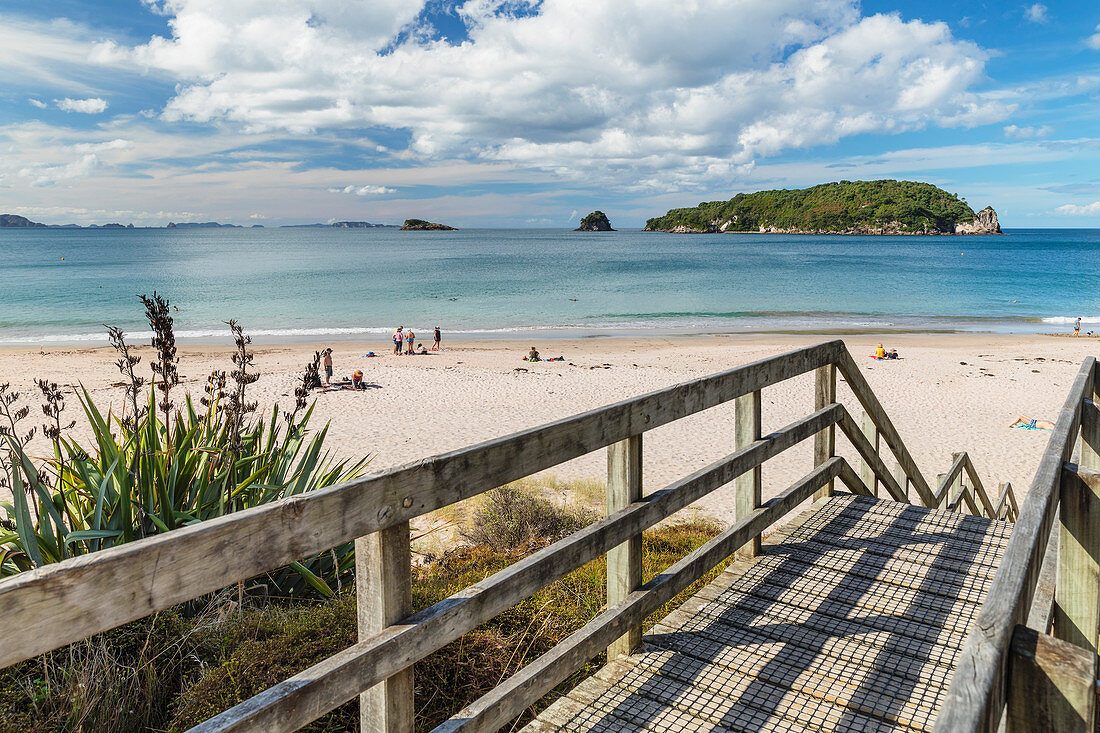
Hahei Beach
5 min drive
This beach serves as the primary gateway to Cathedral Cove and offers a sandy shoreline for relaxing before or after the coastal walk. It provides a base for kayak tours heading toward the cove.

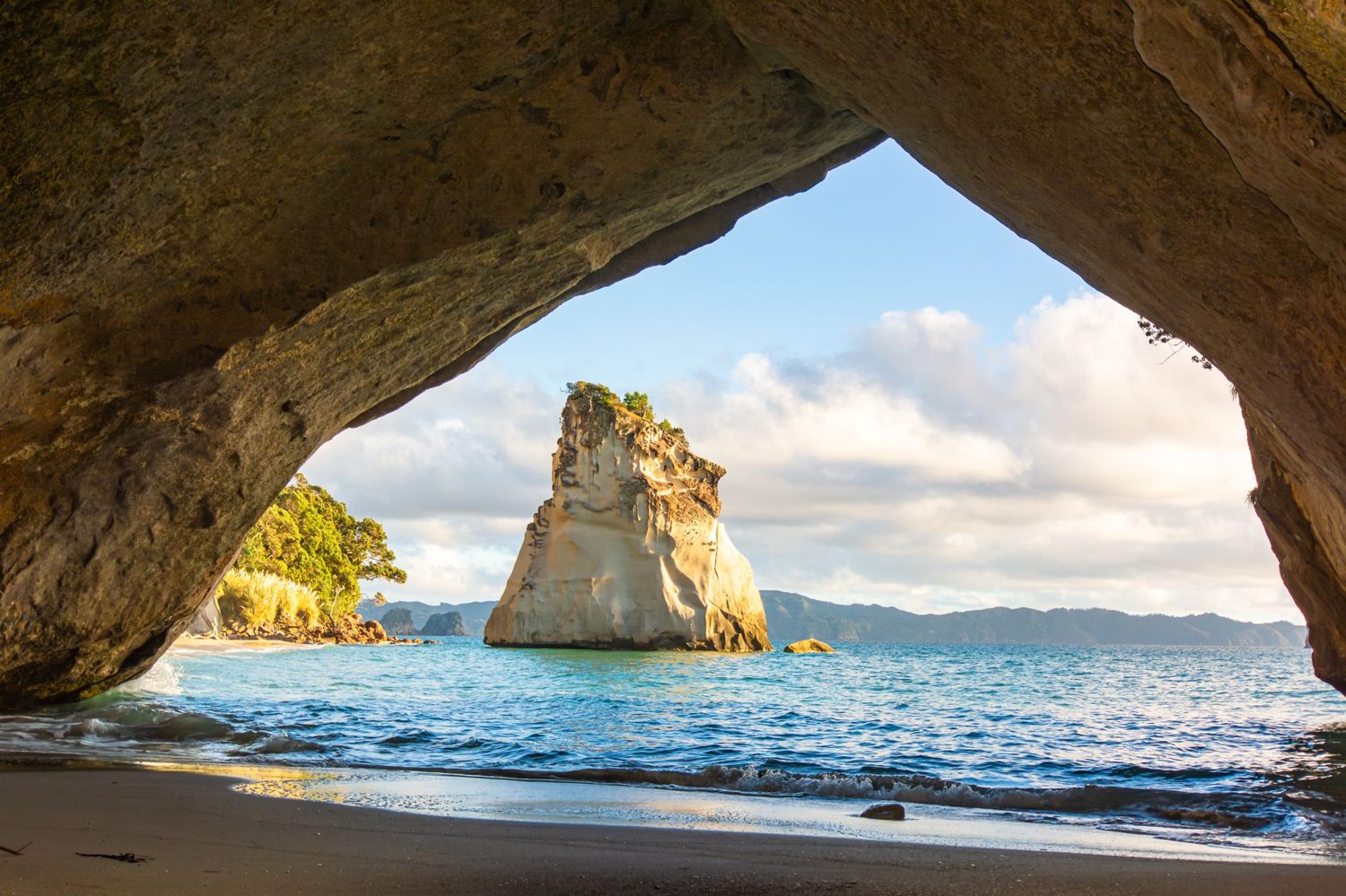
Cathedral Cove sits on the eastern coast of New Zealand's Coromandel Peninsula, accessible only on foot or by water. The marine reserve and its natural limestone arch draw visitors year-round, but reaching it requires planning around tides, track conditions, and a descent that ends 150 steps above sea level.
Quick answer
Cathedral Cove is located on the Coromandel Peninsula in New Zealand, approximately 2.5 hours southeast of Auckland by car. The entrance to the walking track is on Grange Road in Hahei, postcode 3591. The cove itself lies within the Te Whanganui-A-Hei Marine Reserve and is reached via a coastal walking track or by kayak and boat from Hahei Beach.
The limestone archway that gives Cathedral Cove its name was carved by millennia of wave action along a stretch of coast that remains roadless by design. The reserve occupies a narrow band of the Coromandel's eastern shore, hemmed in by farmland to the west and the Pacific to the east. Most visitors begin at the carpark on Grange Road, where the sealed surface ends and the gravel track descends through coastal forest toward the water. Where is Cathedral Cove in relation to Hahei township? The trailhead lies roughly two kilometres north of Hahei's main beach, a distance that becomes significant when the summer carpark fills by mid-morning. The walking track covers 1.3 kilometres one way, dropping 100 metres in elevation through switchbacks and staircases cut into clay and rock. The final descent is a staircase of 150 steps—timber and metal, steep enough that the return climb leaves most visitors winded. That elevation change also means the cove sits in shadow earlier than the surrounding headlands, a detail that matters when planning photography or a late-afternoon swim. The Coromandel Peninsula itself extends north from the Hauraki Plains, a knuckle of volcanic ranges and pocket beaches that remained sparsely roaded until the 1960s. Cathedral Cove anchors the southern end of the marine reserve, which stretches from Cooks Beach to Mahurangi Island. The reserve designation prohibits fishing and limits boat anchoring, measures that have allowed snapper, crayfish, and kelp forests to recover in the shallows. Low tide exposes rock platforms pocked with anemones and urchins; high tide narrows the beach to a thin strip of sand beneath the cliffs. Kayakers launching from Hahei reach the cove in thirty minutes, conditions permitting. Water taxis run from the main beach when swells stay below a metre. Both options bypass the walking track entirely, a fact worth remembering when the carpark is full or when mobility limits make the descent impractical. The Department of Conservation maintains the track and posts closure notices after heavy rain, when clay sections become impassable. The site itself is open around the clock, every day of the year, with no entrance fee collected at any point. The address—Grange Road, Hahei, Coromandel Peninsula 3591—places the cove within the Thames-Coromandel District, a local government area that spans the entire peninsula. The nearest towns with fuel and groceries are Whitianga, twelve kilometres north, and Whangamata, forty kilometres south. Cell reception is patchy along Grange Road and absent entirely once the track enters the bush.
“The limestone archway was carved by millennia of wave action along a stretch of coast that remains roadless by design.”
Cathedral Cove is located on the Coromandel Peninsula in New Zealand. The primary access point for the trail is situated at Grange Road in the coastal village of Hahei.
State Highway 25 to Hahei Road
InterCity to Whitianga, then local transfer to Hahei
From Hahei Beach via the coastal track
Water taxi from Hahei Beach
Parking at the Grange Road trailhead is limited, so visitors often use the designated park-and-ride shuttle service from Hahei village during peak periods.
The best arrival window is 07:00–09:00 to avoid crowds and heat, while ensuring you align your visit with tide charts for safe coastal access. Visiting during these early hours provides the most comfortable conditions for the walk to the beach.
Warm, 20°C–25°C. High UV levels require protection.
Visit early to secure parking and manage heat exposure. Midday crowds are significant.
Mild, 15°C–20°C. Variable conditions common.
These months offer a balance of temperate weather and fewer visitors. Always check local tide forecasts.
Cool, 10°C–15°C. Frequent rain showers possible.
Quieter conditions prevail, though trail surfaces may be muddy. Ensure tide levels allow for safe transit.
—
Early arrivals experience the site with minimal congestion. This window consistently provides the quietest experience.
Verdict: The best time to visit is during shoulder season months on a weekday, arriving between 07:00 and 09:00 to align with low tide and cooler temperatures.
Cathedral Cove is accessible to visitors every day of the week, twenty-four hours a day. The site remains open to the public throughout the entire year.
Access to Cathedral Cove requires navigating a coastal trail that includes 150 steps, making it physically demanding. There is no wheelchair or step-free access to the beach from the main walking track.
The coastal track is unpaved and features significant gradients and stairs.
The path to the cove involves 150 steps and uneven terrain.
No accessible facilities are available on the trail or at the beach.
Visiting between 07:00–09:00 helps avoid heavy pedestrian traffic.
Cathedral Cove is located on the Coromandel Peninsula, where several coastal landmarks complement a visit to the marine reserve. These nearby locations allow visitors to experience more of the coastline’s volcanic geology and water activities after exploring the cove.
5 min drive
This beach serves as the primary gateway to Cathedral Cove and offers a sandy shoreline for relaxing before or after the coastal walk. It provides a base for kayak tours heading toward the cove.
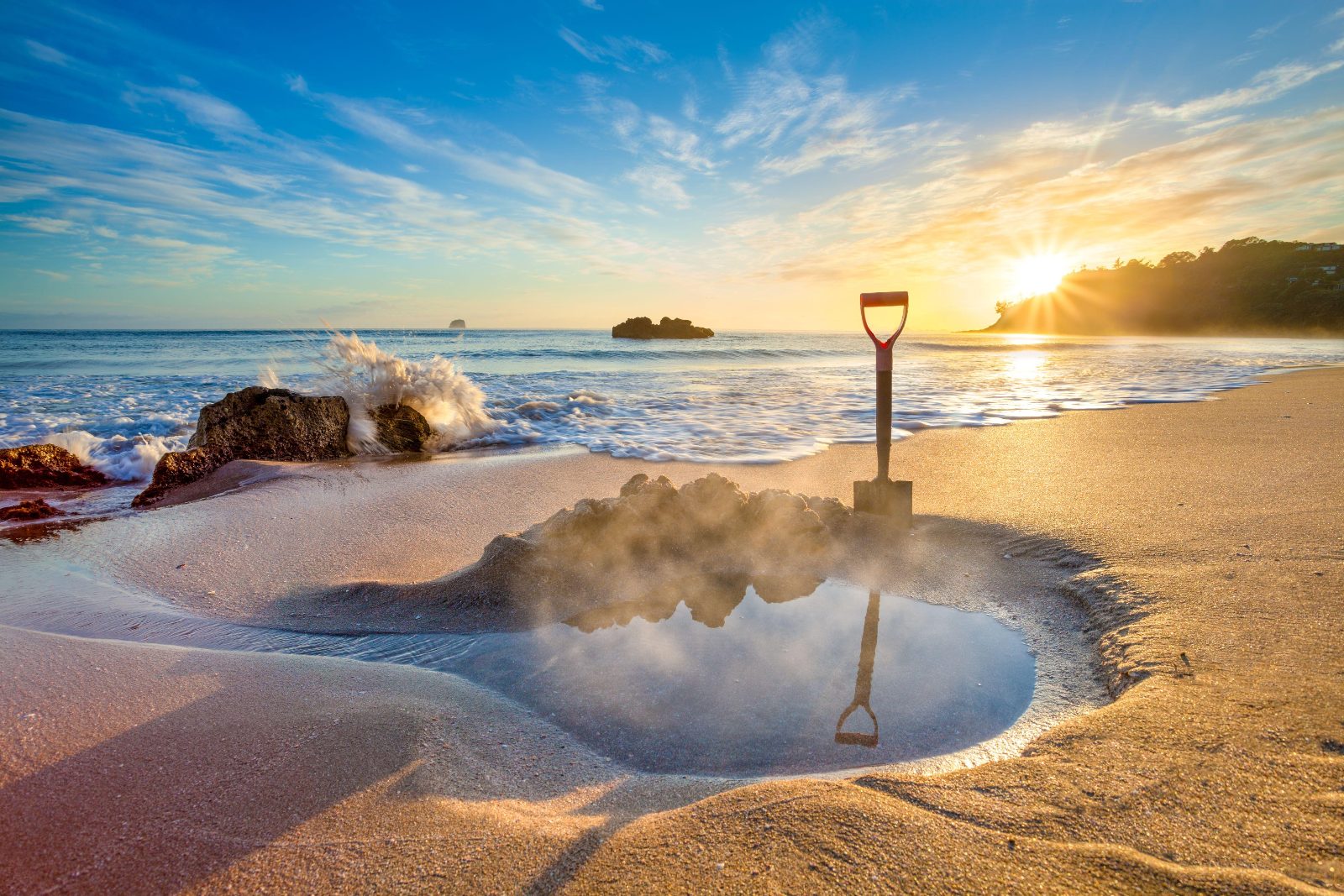
15 min drive
Famous for its natural geothermal springs, this beach is best visited two hours either side of low tide. It pairs well with a trip to Cathedral Cove to complete a day of coastal exploration.
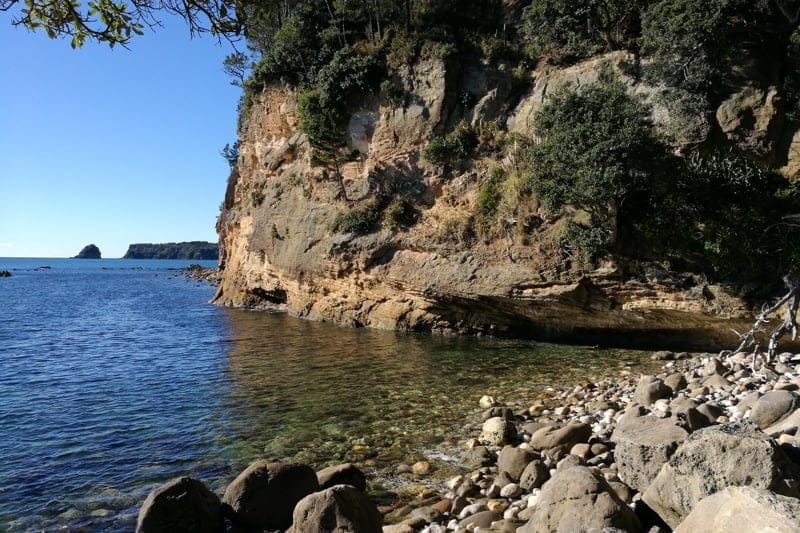
5 min walk
Located along the track to Cathedral Cove, this bay is a designated marine reserve area. It provides opportunities for snorkeling to observe local fish species in clear water.
Everything you need to know about where is cathedral cove
Cathedral Cove is situated on the Coromandel Peninsula at Grange Road, Hahei, New Zealand. This iconic coastal spot is nestled within a marine reserve known for its distinctive rock archway.
Visitors typically travel by road to the Coromandel Peninsula before arriving at the trailhead in Hahei. If you are planning a Cathedral Cove tour from Auckland, various transport options exist to help you reach the start of the walking track.
There is 0 NZD entrance fee for this location, as it is a public conservation area. The site is free for all visitors to enjoy at their leisure.
The area is accessible daily with opening hours from 00:00–23:59 from Monday through Sunday. You are welcome to explore the coastline throughout the week.
The walking track requires a trek that involves 150 steps to reach the beach area. Please prepare for a physical journey when planning your visit to this site.
Yes, families often visit this coastal attraction, though the walk requires careful planning due to the incline and duration. Please ensure children are supervised near the water and on the track where is cathedral cove and its trails are managed by the Department of Conservation.
The best arrival window is 07:00–09:00 to avoid crowds and heat, while also aligning with the tide for safer access. Planning your arrival during this period helps you experience the scenery in optimal conditions.
While the destination itself is a public natural site, you can look into booking a organized excursion to simplify your travel logistics. Visiting via a guided experience is a popular way to see the area alongside other nearby coastal landmarks.